





 Sign in with Google
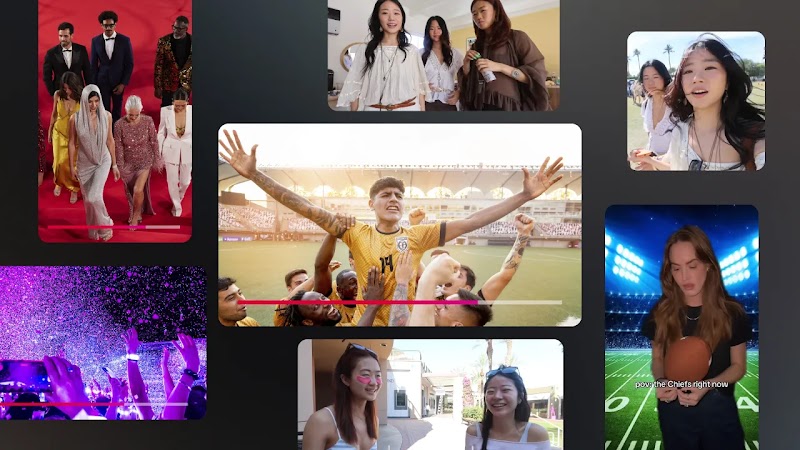
New analysis of YouTube videos related to some of the biggest global events reveals how audiences show up for cultural moments — and what brands are leaving on the table.
There are a handful of events that unite millions of people around the same thing at the same time. We’re in the midst of the summer of soccer right now. And then there’s the Olympics. The Oscars. Coachella. The Big Game. The Met Gala. While the cultural significance of these moments remains absolute, audience interest has evolved far beyond live moments. Modern audiences no longer view cultural moments as isolated events to tune into. Instead, they experience them as a core part of their identity and a way to participate in the culture around them.
Viewers come to YouTube to experience the entire life cycle of an event. What used to be a few hours of live broadcast has given way to a clear before, during, and after, earmarked with weeks upon weeks of preparation and anticipation, commentary, and deep dives that, in some instances, eclipse the event itself.
So if a “moment” now goes much beyond the broadcast, when does it start? When does it end? Who’s leading the conversation? And how can brands take full advantage of this new status quo?
To better understand the anatomy of these major cultural moments and the opportunities they hold for brands, YouTube data scientists, researchers and analysts evaluated metrics from millions of videos over the last four years, spanning multiple editions of the Big Game, Oscars, Met Gala, Coachella, Winter Olympics, and going all the way back to the last Summer Olympics (2024) and the last global celebration of soccer in 2022.
A clear picture emerged across watch time, views, uploads, likes, comments, and more. Despite the immense concentration of investment and attention, the live broadcast isn’t always the largest part of the moment. Our YouTube video analysis revealed four patterns as to why.
Creators are the engine of cultural moments
While traditional broadcasts cover the event, YouTube creators cover everything around it, giving cultural moments their depth: the 20-minute outfit breakdown, the frame-by-frame recap, the explainer that makes sense of what just happened. Creators aren’t just reacting to cultural moments. They’re building anticipation and creating their own appointment viewing, delivering a level of variety, scale, and longevity that live TV and social platforms can’t match.
The asymmetry isn’t subtle. On average, creators upload 300,000 related videos for every major cultural moment on YouTube.1
For brands, this reframes not just where the audience actually is but also what they are most interested in. Advertisers who only buy against official broadcasts may be reaching a slice of their audience, but are they really capturing attention or resonating with fans at the right time? Partnering with YouTube creators closes this gap, letting brands connect more authentically than any broadcast or feed allows. It’s also how brands can stay relevant at every stage of the moment.
Nostalgia fuels the anticipation
Long before these moments arrive, audiences are already preparing for them on YouTube, and no other platform comes close to matching that early interest and intent. On average, YouTube creators start increasing content uploads related to a major cultural moment 23 days before the event.2 Viewers don’t just wait for an event. They use YouTube as a discovery engine for what’s coming and what happened in years past.
Before Coachella, fans relive old sets, revisit fashion and beauty trends, and return to vlogs from creators like Emma Chamberlain and Alisha Marie, whose festival content has become part of Coachella’s legacy.
YouTube creator Emma Chamberlain shares her experience of returning to Coachella in the lead up to the annual festival.
For multiday sports events, the buildup is even bigger. In the 90 days before a major sporting event, viewers watched an average of 750,000 hours of related content on YouTube every day.3
This rewrites the timeline for advertisers. The window for high attention around a cultural moment on YouTube starts long before the live broadcast, which means brands can activate campaigns weeks ahead of the event, reaching audiences while they’re still planning, still anticipating, and still deciding what the moment will mean to them.
The ‘afterglow’ on YouTube outlasts fleeting trends
On most platforms, a cultural moment is gone by the next morning. But unlike live broadcasts and feed-based environments where attention is tied to what’s newest, audiences on YouTube continue discovering and revisiting content around the moment long after the event ends, fostering deep, sustained engagement.
How long after? Watch time for content related to a major cultural moment more than doubles its baseline for an average of 56 days after the event.4
The effect is sharpest for single-day events. The Met Gala and the Oscars each last only a few hours, but the audience doesn’t leave when the broadcast ends. They move to YouTube, where 40% of total watch time for content related to Oscars happened in the three months after the event last year.5
This is a window of sustained, high-intent attention. That means branded content can continue reaching audiences long after the event, extending the value of investments that would otherwise be tied to a single day or broadcast. This insight also democratizes access to the most sought-after and coveted promotion windows for more brands.
Moments are expanding beyond traditional fanbases
Major cultural events, from sports to music and entertainment, create a halo effect that bleeds into broader lifestyle categories, often generating as much interest in adjacent verticals as the main event itself. Some of the most-watched content around Coachella, a music festival at its core, is about what it means to experience the culture around it. This year, vlogs from the Kalogeras Sisters ranked among the 10 most-viewed videos from the event. For a major red-carpet moment like the Oscars or the Met Gala, viewers watch a combined average of 66,000 hours of event-related beauty, fashion, food, and travel content.6
Similarly, while live sports can reach traditional fans, YouTube expands the opportunity for brands. It creates new entry points for everyone through a web of cultural connections. Globally, viewers watched an average of over 10 million hours of food, travel, and lifestyle content on YouTube related to major sporting events within the three months before and after each event.7
Journalist and YouTube creator Cleo Abram talks about the phenomenon and the physics of Olympic curling on her show “Huge* If True.”
For marketers, this creates a new way to think about cultural tentpoles. The halo means every brand can show up around the moment — in the adjacent, trusted content audiences are already watching — and authentically reach leaned-in, intentional audiences while they’re most engaged. Putting all these insights together, the takeaways for brands are clear.
- Activate early. Reach high-intent audiences on YouTube before a major moment begins. Your brand can drive resonance by partnering with creators or showing up across creator content as the buzz builds.
- Capture the sustained attention. Long-form sponsored videos on YouTube retain over 65% of their launch-month watch time in their second month, meaning marketers can get more value from their campaigns, as viewers continue to watch event-related content for weeks after the live moment.
- Leverage the halo effect. Reach newer audiences through partnerships with trusted creators in adjacent categories, like beauty, food, fashion, and travel, that see massive spikes in interest during major events.
The broadcast may be the loudest hour, but the real moment begins earlier, lasts longer, and reaches wider. Brands that understand how the durability of content on YouTube compounds their ROI can meet audiences across the entire ecosystem, not just the hours everyone else is competing for.

Social Module
Share