



 Sign in with Google
With online misinformation and data breaches on the rise, consumers are more skeptical than ever. Wary of being misled and savvier about their choices, they’re also more proactive about finding trustworthy sources, using Search to fact-check claims, scrutinize brand values, and ensure authenticity from the brands they choose to engage with.
In 2021, the pandemic further exposed the dangerous consequences of misinformation, spurring governments across the region to enact “fake news” laws. At the same time, the public has become more aware of the spread of false information, with 86% in APAC expressing worries about fake news.40 Consumers, especially Gen Zers, are now more conscious about the mix of both facts and misinformation that can be found online.41 People are not only savvier about what they see on the internet, but also willing to proactively seek out accurate information on their own terms.
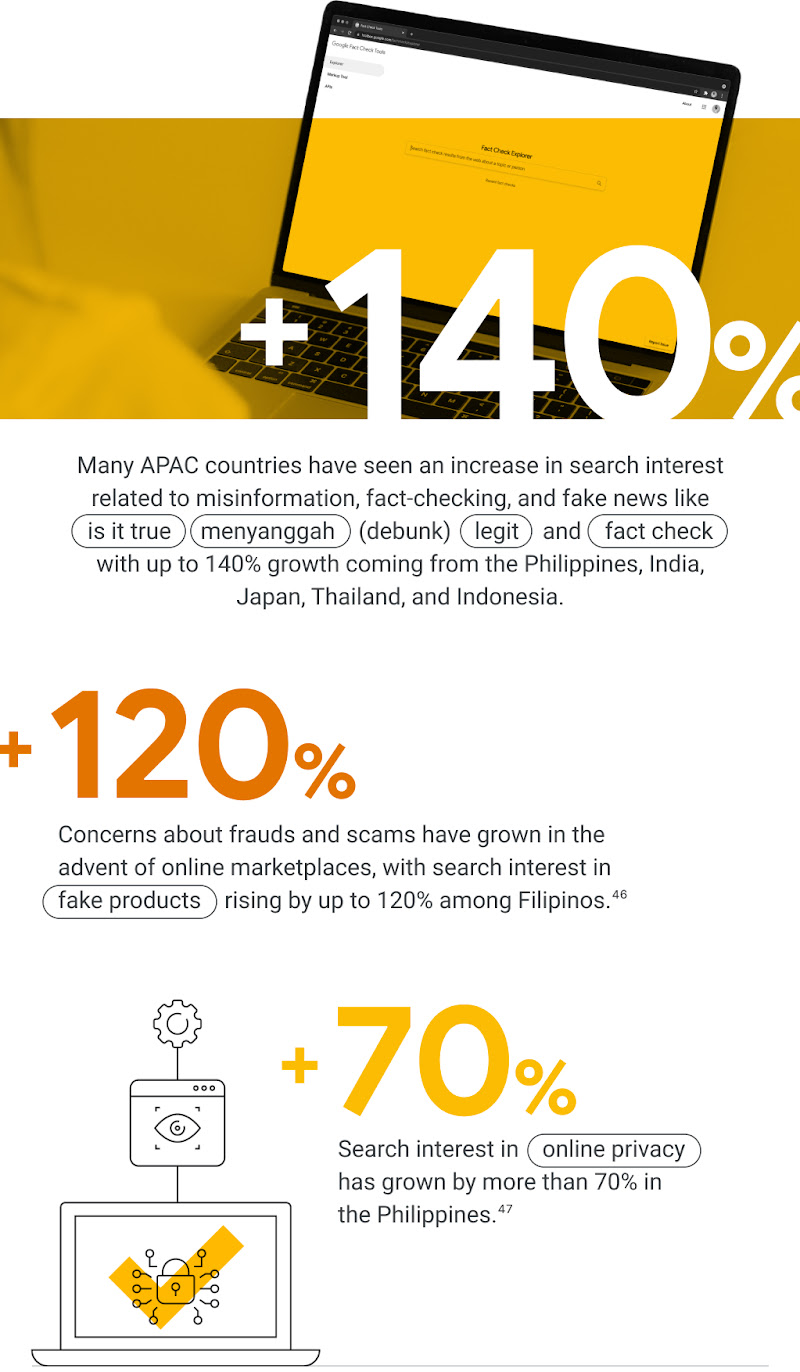
Searches reflect these growing anxieties, with consumers looking for ways to guard against the increasing pervasiveness of fraud and scams. As data breaches reached an all-time high in 2021,42 searches related to privacy also continued to rise alongside people’s growing concerns about their digital safety.
With truth-seeking behaviors becoming more of a consumer habit, we see shoppers willing to invest more of their time and resources to ensure the choices they make align with their value systems and beliefs. Rising searches for sustainable practices and ethical shopping reflect how consumers have a lower tolerance for being misled, and are setting the bar higher for brands, holding them closely accountable for any claims that they make.

Consumers today don’t just check the list of ingredients on a label, they want brands to be accountable and transparent at every step of their value chain, including sourcing, production, and corporate sustainability policies. Regardless of how much they trust a brand, consumers across all age groups will conduct extensive research prior to making their purchases.43 Instead of simply hoping that brands will be true to their word, consumers now expect brands to take proactive steps towards earning and keeping their trust.
This means that for brands, getting ahead of transparency, focusing on authenticity, and ensuring two-way continuous communication with their customers has become more important than ever.

Fact-checking, fighting fraud, and protecting privacy
Searches show consumers increasingly concerned about misinformation and privacy, especially compared to pre-COVID times.44 In 2021, 87% of APAC consumers say it is now more important to find a trusted source of information, compared with before the pandemic.45
Savvier value systems
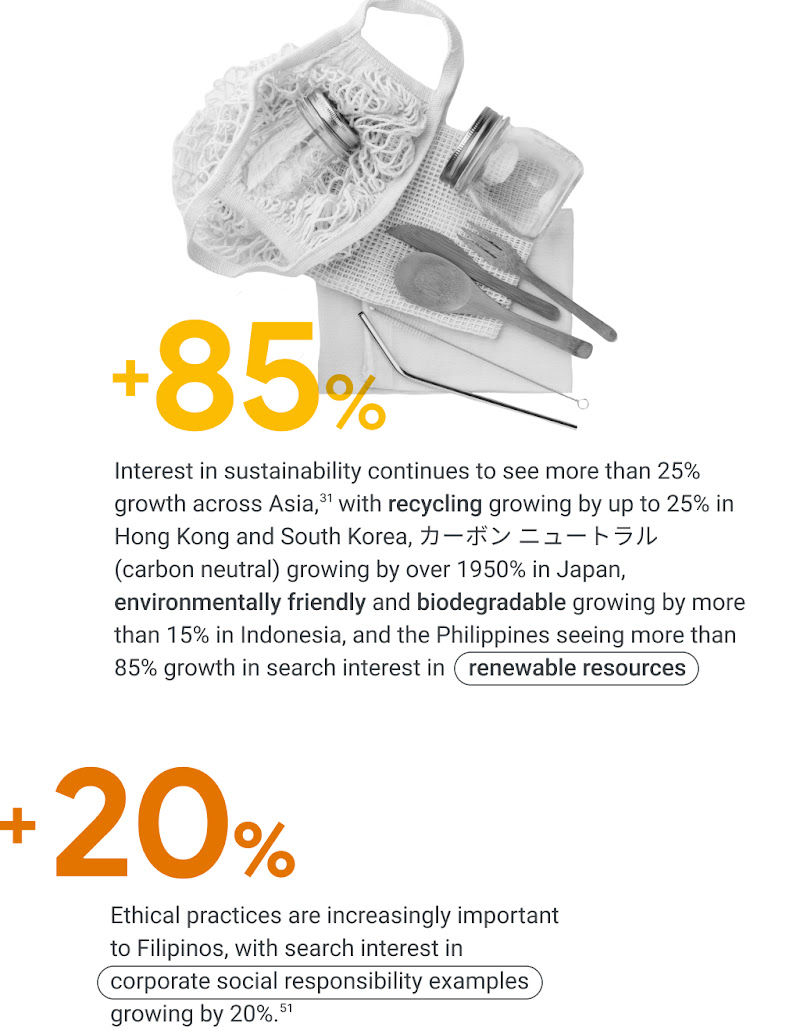
As consumers grow more entrenched in their belief systems, they’re making sure that the brands they choose also share the same higher purpose. Searches are continuing to rise for topics like sustainability and ethics, while more than half of consumers have stopped buying products or services that have a negative impact on the environment and society.48
Consumer demands for reassurance
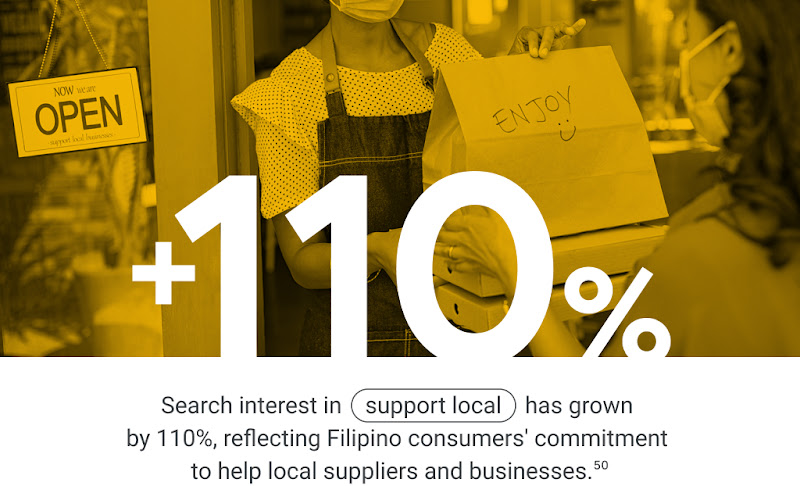
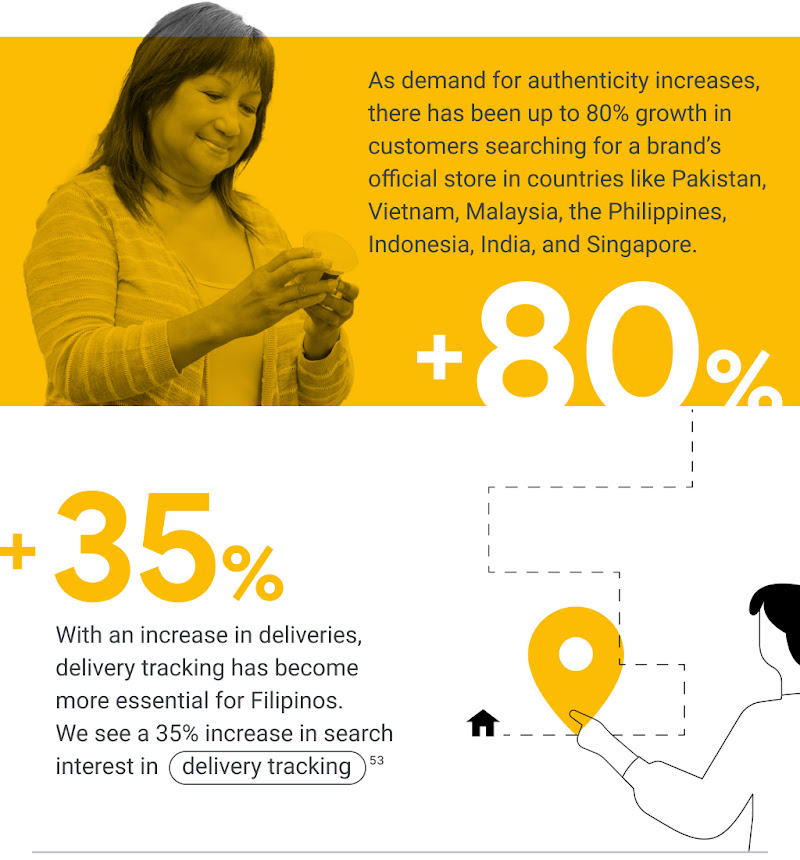
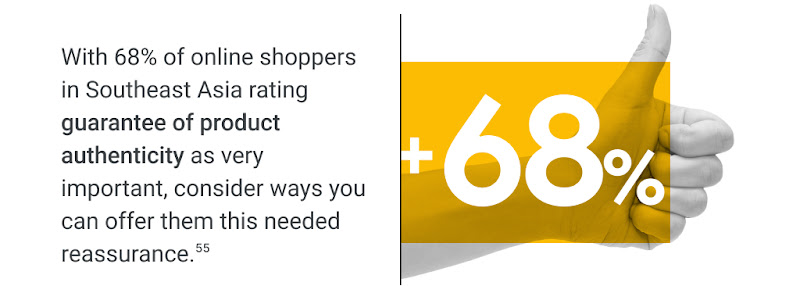
Consumers today expect to be reassured along their shopping journeys. Authenticity is a key issue on marketplaces for 31% of shoppers surveyed,52 and we see increasing searches for delivery tracking and official stores of popular brands.
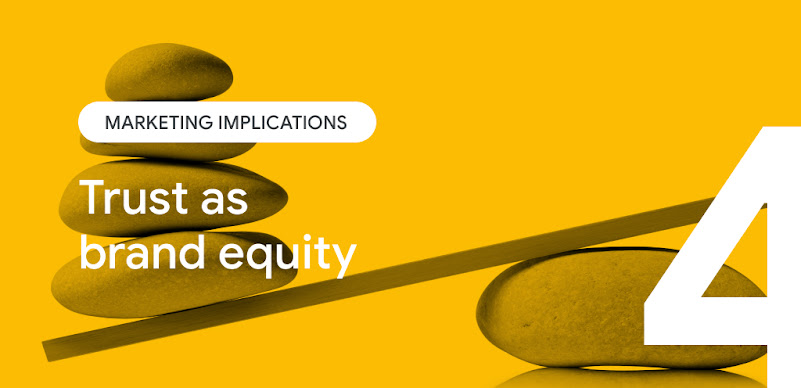
Rising misinformation and record-breaking data breaches have put consumers on high alert, sharpening their values and lowering their tolerance for anything misleading. As a result, trust is now a brand’s most important asset. Customers expect proactive transparency and authenticity at a minimum.

“Brands need to be for the people, and guided by the people. Why? Because brand trust ranks higher than brand love.”
When users have clear choice and control over their data, they’re happy to share it with businesses they trust. However, just 30% of APAC marketers have a dedicated strategy to communicate with consumers about data privacy.54 It’s time to consider how you can prioritize your users’ privacy concerns to earn their trust.


Use first-party data responsibly and effectively to find the right balance between privacy and the personalized interactions that consumers prefer.
Check out our marketer’s playbook for privacy to deliver performance in a privacy-safe way and learn what industry leaders across APAC think about the region’s key data privacy trends and how to create a privacy-first ecosystem.

Prepare your digital ads ecosystem for a future without third-party cookies.
Explore privacy-preserving strategies that fuel continued business growth by allowing companies to reach people with relevant ads and measure results without needing to track people across the web.

Educate and empower your customers to protect themselves against misinformation, scams, and fakes.
In 2021, Google launched the About This Results feature, which provides details about a website before users visit it, including whether the source is trusted and whether a user’s connection to the site is secure. Google’s Fact Check Explorer also helps counter falsehoods and reduce misinformation online.

When it comes to building trust, brands cannot afford to cut corners. As consumers feel increasingly empowered to hold brands accountable to their claims, earning and keeping trust requires consistent, authentic, and proactive communication.
Consider the full implications of your company values on every part of your value chain.
Expand the definition of what it means to be sustainable by considering the carbon footprint of your digital actions. Through Google Cloud Carbon Footprint, you can take action to evaluate and reduce the footprint of your carbon workloads.

In March 2021, Filipino creative agency BBDO Guerrero introduced an open-source re-design of traditional shampoo packaging. The Dissolving Bottle is a 130g shampoo bar made from all-organic materials in the form of travel-sized bottles, eliminating the need for plastic packaging. BBDO Guerrero invites brands to customize their own shampoo bars with local manufacturer The Naturale Market, and offers molds at cost price to artisanal producers for community livelihood projects.