





 Sign in with Google
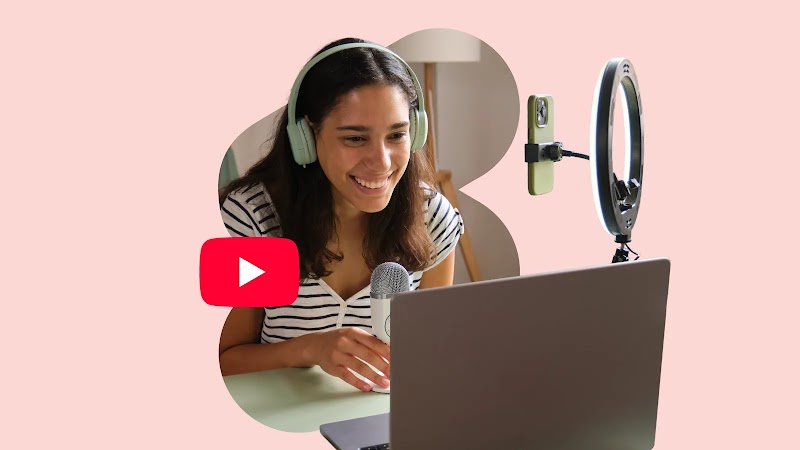
The reach of podcasts is no longer up for debate. More than 1 billion people every month check out podcasts on YouTube. It’s no wonder, then, that comedians, athletes, dogs, and brands have their own podcasts these days. The podcast has evolved from a niche audio experiment into a deep engagement and community-building engine.
For marketers, this isn’t just a shift in consumer behavior. It’s a mandate to trade polished corporate monologues for authentic, visual-first storytelling that commands notice in a fragmented attention economy.
Focus on what your audience wants to watch, not what you want to say. Make your content feel like a must watch, not another “need to know” podcast.
For any marketer looking to get in on the podcast game, here are some tips to start you in the right direction.
1. The shift from brand to personality
- The insight: People don’t subscribe to companies; they subscribe to people. Personality, not a massive budget or a sleek studio, is the secret of the top podcasters. The graveyard of branded podcasts is filled with smart shows that failed, because they felt like work.
- The marketer’s play: To win, you have to stop being a brand with a podcast and start being a host with a brand. This means trading the logo for a face, the talking points for a conversation, and the broadcast for a community. And, like all good podcast marketing, focus on what your audience wants to watch, not what you want to say. Make your content feel like a must watch, not another “need to know” podcast.
2. Video is a powerful engagement tool
- The insight: Video podcasts allow for intimacy with your audience, offer connection through body language and facial expressions, and allow you to get creative with visual storytelling elements. Viewers watched over 700 million hours of podcasts on living room devices in October 2025, up from 400 million hours from just a year ago.
- The marketer’s play: Brands must build a visual-first podcast strategy. This doesn’t mean you need a multicamera studio. You can record high-quality video with a phone or laptop. And designing a few on-screen graphics will go a long way toward building trust and brand affinity, far faster than disembodied audio. Experiment with visual formats, including direct address, talk show-like setups, or relaxed “sit and chat” scenarios, to see what works.
3. Microcontent drives discovery
- The insight: A 45-minute podcast episode is a big commitment for a new viewer. But, in a short-form video world, there should be 30- and 60-second clips compelling enough for listeners to share with their soon-to-be-listener friends.
- The marketer’s play: Marketers should treat each long-form episode as an anchor asset, slicing snackable, vertical, and highly engaging clips for distribution across YouTube Shorts and social channels. Short-form clips are great for capturing top-of-funnel attention and driving new listeners to the full episodes. User-to-user sharing is simple, and YouTube’s clipping features allow you to drop users straight into the specific parts of your podcasts that interest them most.
Connect with audiences who are actively seeking solutions to business challenges, rather than hoping they stumble upon your brand.
4. Optimize for YouTube searchability, discovery, and community
- The insight: Unlike other podcast platforms, which rely heavily on external marketing or subscriber feeds, YouTube’s search and discovery systems can bring new audiences more easily to your content. The core of YouTube is its creators, who know their audiences and communities best.
- The marketer’s play: Shift from a broadcast mindset to an intent mindset. Optimize episode titles, descriptions, and time stamps for specific industry search queries. Connect with audiences who are actively seeking solutions to their business challenges, rather than hoping they stumble upon your brand. And look to the YouTube creators who already lead in the communities you’re trying to reach. They could be great partners or guests for your next episode.
5. The retention reality: Decoding granular engagement data
- The insight: Podcast marketing is no longer just a speculative brand awareness play, measured by vanity metrics like total downloads. The science of measurement now allows marketers to definitively attribute specific podcast listens to website visits, lead form submissions, and direct sales.
- The marketer’s play: Leverage YouTube’s audience retention graphs. Like the best YouTube creators, marketers must study their playback metrics to see precisely when viewers are leaning in or clicking out. Marketers can pinpoint the exact second consumer demand accelerates or wanes. Did viewership drop during a specific ad read? Did it spike when a specific framework was introduced? Use the granular behavioral data to execute agile, iterative improvements in content strategy.
These tips can jump start your podcast on YouTube, but it takes time for any content to find its audience. Like any good creator, listen to your audience, and find where your voice and brand connect with what they are looking to hear and see.

Social Module
Share