



 Sign in with Google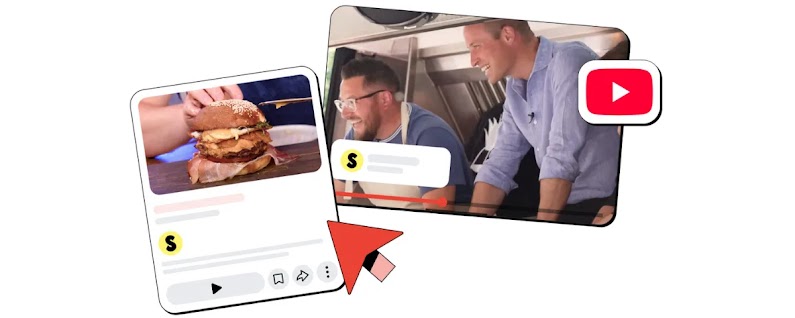
How do you build a successful brand on YouTube? The team behind global food channel Sorted Food has been perfecting their recipe for 16 years. What started as school friends sharing cooking tips has grown into a fully-fledged media company, with YouTube as their online home.
Their nearly 3 million subscribers on the platform prove this. Each video gets over 250,000 views within just 24 hours. And, with an average watch-time of nearly 15 minutes, they clearly know how to catch and keep the attention of their audience. In a world where we might think that viewers only want scrollable, short content, Sorted Food’s videos show the value of long-form too.
In this interview, co-founder Jamie Spafford shares how they’ve built a deeply engaged community on YouTube alongside his tips for brands to tap into the power of the creator economy.
What’s the origin story of your YouTube channel?
Jamie Spafford: The guys you see on screen have known each other since we were 11. We started Sorted Food because, frankly, we couldn’t cook. When we went off to university, we were all living off takeaways and microwave meals. We kept texting our friend Ben, who was training to be a chef, for quick recipes and tips. We figured if we were all talking about this, other people probably were too.
We were already spending a lot of time on YouTube and we thought it’d be a great, free place for us to host that conversation. There have been so many milestones since, from getting our first comment from a stranger to hitting a million subscribers.
A definite pinch-me moment was collaborating with The Earthshot Prize and serving burgers from a food truck with Prince William. That was very special.
It’s clear that you have a deep connection with your community. How do audience insights shape your content?
Spafford: We’ve always dug deep into YouTube Analytics and we balance that by listening to our community. For example, the comments told us people loved watching us eat the final dish in a recipe video, but the data showed a drop-off in viewership right after the cooking finished. So, we created a new series that brought the tasting segment to the very front of the video, satisfying both sides.
We know that we have one of the largest and most engaged cooking channels. We put this connection with our community to the test during our ‘Lost and Hungry’ tour. We travelled across the U.S. for 10 weeks, and the entire trip — where we went, what we ate — was based on recommendations from our community. They guided us to the most incredible people and places we never would have found on our own.
YouTube has always been our home. It offers so many different formats and ways to reach audiences.
It can be challenging for brands to build long-term equity in a world of fast-moving trends. How do you keep your audience coming back?
Spafford: Our audience has always shaped our content. We see it as a shared journey of learning and exploring food together, and I think that keeps people coming back.
We do follow trends, but they don’t define us. If you chase trends, you’re only as good as your last video. You need to have your own journey for people to follow — and it needs to continue progressing.
You publish videos across the whole YouTube ecosystem. What’s your strategy for using the different formats?
Spafford: This is the biggest reason YouTube has always been our home. It offers so many different formats and ways to reach audiences based on where they are and what devices they’re using.
We see our long-form content moving firmly into the smart TV space. People are sitting back and watching us in their living rooms in the evening, so that’s where we provide entertaining and inspiring content. YouTube Shorts are much more mobile-based, and we use them to find new audiences and spur on viral moments.
We also use live streams for real-time engagement with our core community. It’s an opportunity to get to know our audience better and for them to be in the moment with us. And video podcasts have been a great way to bring in guests with expertise in areas you might not expect, like when we interviewed the world’s strongest woman about her diet.
What makes a brand collaboration successful?
Spafford: The best collaborations happen when a brand adds value not just for us, but for our audience too. The question for marketers should be: how can this partnership help the creator do what they already do, but bigger and better? Can the brand provide a bigger budget, or access to unique locations or experts?
A great example is our seven-year partnership with Visit the USA. They wanted us to showcase holiday destinations people might not think of. Their support allowed us to travel and use better equipment to increase our production quality.
For brands, the key is to be open to the creative process. Creators already have a connection with the audience the brand wants to reach and know how to best engage them. Listen to creators and don’t try to script them. Let them put key messages in their own words, so it sounds natural and authentic.
What are the benefits of combining creator content with YouTube’s advertising solutions?
Spafford: Some of the best brand collaborations we’ve done have included a paid media element. From a marketer’s perspective, once you’ve helped a creator make fantastic content that’s already getting great engagement and positive comments from an organic audience, why wouldn’t you put money behind it to reach even more people?
It brings new viewers to the channel and, when they arrive, they see authentic content with incredible engagement. That is a positive thing for new audiences to see.
Multiple brands have worked with us on content and then put paid media behind it. The videos that they put money behind really flew. Here’s an example from our collaboration with World of Warcraft:
YouTube Select Creator Takeovers can also be very effective. We did one with SharkNinja, in which they exclusively bought the advertising space around the channel for a month. They got 100% share of voice and our community saw it as a sign of support for the channel.
What might surprise brands about working with creators?
Spafford: There can still be a preconception that creators are just making videos in their bedrooms. Brands are often surprised to learn that we’re a real business. We have a studio in London and a team of over 20 people who handle everything in-house, from video production and app development to the commercial side of things.
The creator economy is full of businesses like ours that are succeeding online and now blending that with real-world experiences. We host events at our studio, inviting people from our online world to experience everything in person. We then film it and put it back online. It’s this lovely cycle of online experiences meeting real-life moments.
Some of the best brand collaborations we’ve done have included a paid media element.
With ambitious formats like your weekend-long Live shows you’ve proven your channel is at the forefront of YouTube innovation. What’s next?
Spafford: We’re always looking for new ways to engage people around food. Right now, we’re in the process of launching a whole new YouTube channel: Sorted Kids.
Three of the four of us on screen are dads now, and we see a need for entertaining content that also does the right thing around food education for kids and parents. We’re building a network of influential people from across media, YouTube, education, and government that can help us do that. Wouldn’t it be great if we could do what Bluey has done and bring popular, educational content to kids and families?
We’re also continuing our work in sustainability, building on collaborations like The Earthshot Prize. We have some big initiatives planned for next year to bring more people along on the journey of making better food choices for the planet.