





 Sign in with Google
Robert Brittain, an independent marketing consultant and marketing effectiveness expert, shares key insights from an analysis of ACA’s Effectiveness Database, commissioned by YouTube. This includes over 550 entries to the Australian Effie Awards, which are recognised as the pinnacle of advertising excellence. The research looks at for-profit Effie Awards entries from 2018 to 2024, uncovering the correlation between online video (non-social) and campaign effectiveness.
Every marketer is chasing the same thing: advertising that truly works. But in a media landscape that’s constantly shifting, the formula for effectiveness can sometimes feel elusive. As an independent consultant who lives and breathes data, I’m always searching for new evidence to solve this age-old marketing conundrum.
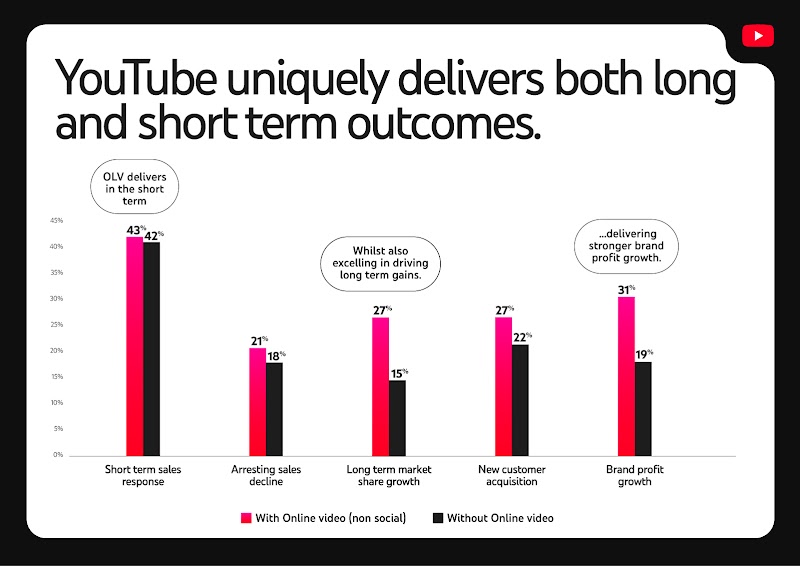
So, what if we could look at a blueprint of what’s already succeeded? That was the goal of the latest research at Robert Brittain Consulting, which was unveiled at Brandcast 2025 in Sydney. And what the numbers point to is this: Online video (non-social) plays a significant role in driving tangible business results. In particular, YouTube’s unique ability to drive both long and short-term results is what makes it a crucial component of the media mix strategy. This signals a fundamental shift in how marketers should approach media planning.
Watch the video
How the effects of online video (non-social) were analysed
The analysis was rooted in submissions to ACA’s Australian Effie Awards. The Effies are widely considered the advertising industry’s most difficult award to win, representing the pinnacle of marketing effectiveness. This research conducted a rigorous deep-dive into 550 campaigns in the ACA’s effectiveness database — a goldmine for understanding what’s behind the most impactful marketing achievements, and what gives them their edge.
The methodology was meticulous, isolating online video (non-social) from television, including Broadcast Video on Demand (BVOD) and Subscription Video on Demand (SVOD), as well as from video advertising on social media platforms. So, where the analysis refers to online video (non-social) in this analysis, it primarily means YouTube.
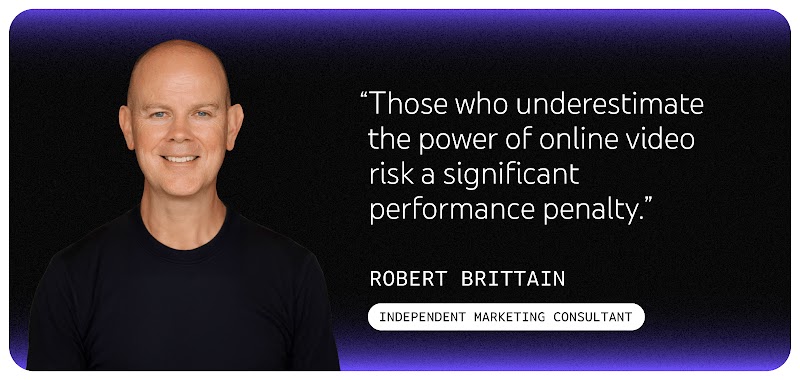
Nearly two-thirds of all submissions included online video (non-social), which provided a clear view of YouTube’s impact on campaign success. The data showed that those who underestimate the power of online video (non-social) risk a significant performance penalty.
The non-negotiable role of online video
The first key insight is definitive: If online video (non-social) isn’t part of your mix, you’re risking a potential 20% hit to your campaign’s performance.1 In today’s competitive environment, that’s a margin that no brand can afford to ignore – proving online video (non-social) is a non-negotiable part of the strategy.
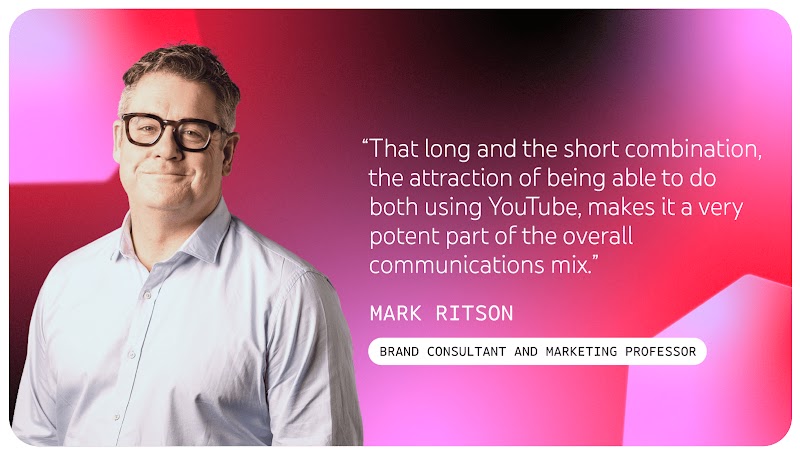
The performance boost from online video (non-social) content comes down to YouTube’s dual power to drive both immediate sales and long-term brand profitability and market share growth. It’s a point consistently echoed by marketing expert Mark Ritson, who said: “That long and the short combination, the attraction of being able to do both using YouTube, makes it a very potent part of the overall communications mix.”
Is your media split optimised for effectiveness?
That brings us to the tough question every marketer should be asking: Is your media mix working as hard as it could be?
If TV and social media are still commanding big budgets within your campaigns, the ACA’s Effectiveness data suggests there’s a massive opportunity in rebalancing your spend.
For campaigns with smaller budgets (under $1 million), our analysis showed that when 25% of social spend is reallocated to online video (non-social), campaigns become 30% more effective.2
And for campaigns spending over $5 million? Without online video (non-social) in the mix, effectiveness actually declines by 30%.3 This proves that over-investment in a single channel, like TV, coupled with an underinvestment in online video (non-social) can actually be detrimental to overall effectiveness.
Take it from Meat and Livestock Australia (MLA), who won six Effies for their iconic Australian Lamb campaign last year. YouTube was the exclusive home of the full-length version of the film, and most media spend in other channels focussed on driving consumers to view the YouTube ad. MLA has been steadily increasing their YouTube presence, now 22% of total campaign media spend, which is a 4X increase since 2021.
“This has been a major factor in significantly improving ROI for the campaign, with total views setting new records in 2024 and again in 2025 — more than double the previous record,” says Nathan Low, MLA’s general manager of marketing and insights.
Of course, the answer isn’t to abandon traditional channels. Rather, it’s about rebalancing for a new reality. As audiences spend their time across more screens and platforms, our investment strategies need to evolve too. A strategic shift towards YouTube doesn’t just chase views — it unlocks deeper engagement and delivers stronger brand impact.
Why the most effective CPM matters
Ultimately, this all comes back to a simple truth: with YouTube, you’re paying for business results.
We see from the analysis that when advertisers fall into the trap of chasing low-cost impressions, they are giving away more than they gain in effectiveness and the impacts of their campaigns suffer.
While a lower cost per impression (CPM) on channels like social media may seem appealing, it’s actually a destructive decision because it signals investment in a broad, less engaged audience that’s not effective at driving your marketing objectives.
The goal is to use a platform that delivers cost-efficient, high-quality and impactful connections, and a stronger return on your investment.
There’s only one YouTube
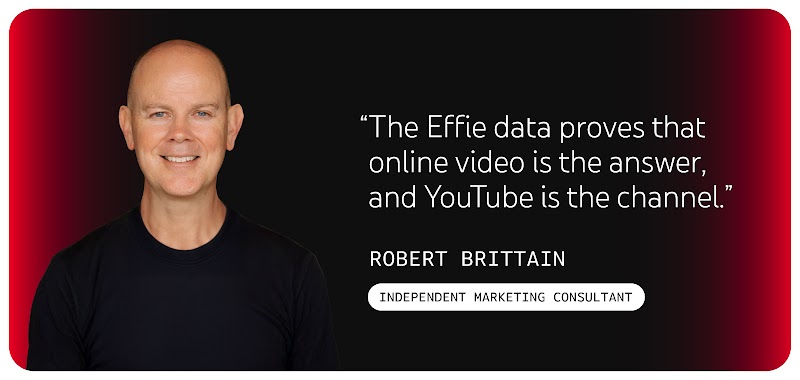
The media landscape has evolved. Consumers are watching in all new ways, and our media plans must meet them where they are. The Effie data proves that online video (non-social) is the answer, and YouTube is the channel.
So, it’s time to embrace where impact truly lives, and demand effectiveness. Because, after all, there’s only one YouTube.
For more highlights and insights from Brandcast 2025 in Sydney, explore YouTube’s 20 years of how Youtube has captured our culture.
Social Module
Share